
Platform Launch
MLHCP officially established with initial member organizations and Secretariat structure.
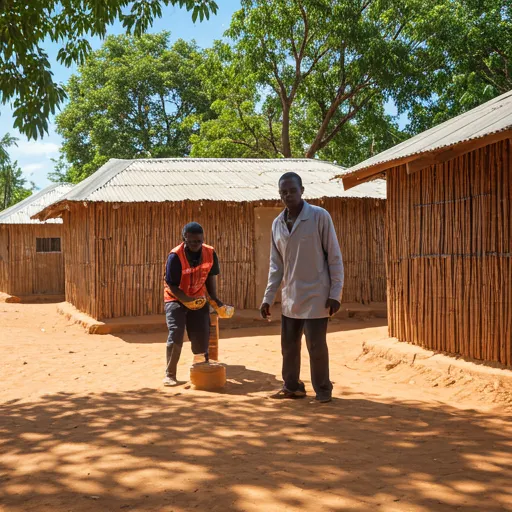
Anchoring Local Leadership in Humanitarian Action
Who We Are
The Mozambique Local Humanitarian Coordination Platform (MLHCP) was established in June 2025 to strengthen the voice and leadership of local and national NGOs (L/NNGOs) in humanitarian coordination and response across Mozambique.
Born out of the Humanitarian Reset process, MLHCP addresses critical gaps in participation, decision-making, and access to resources for local actors. With more than 50 member organizations, an active Secretariat, and a Strategic Advisory Group, the platform champions a more inclusive, accountable, and effective humanitarian system.
We operate at the frontline of Mozambique's humanitarian response, particularly in conflict-affected areas of Cabo Delgado and regions impacted by climate-induced disasters including cyclones and droughts.
To strengthen locally-led humanitarian coordination and ensure that local and national NGOs in Mozambique are meaningfully engaged in the humanitarian response, while effectively interfacing with Inter-Agency Standing Committee (IASC) coordination structures and contributing to inclusive decision-making.
A humanitarian system in Mozambique where local and national organizations are recognized as strategic partners, frontline responders lead coordination efforts, and affected communities shape the response that serves them. We envision a future where those closest to crises have the resources, voice, and influence to drive effective humanitarian action.
Values
The principles that guide our actions and decisions.
Ensuring all voices are heard in humanitarian decision-making, with meaningful participation of local and national NGOs in all coordination structures.
Advocating for fair access to resources, funding opportunities, and decision-making spaces for local actors who are often marginalized.
Positioning frontline actors as strategic partners, not just implementers, recognizing their unique understanding of community needs.
Building transparent, community-driven systems that are accountable to affected populations and responsive to their real needs.
Fostering partnerships across humanitarian actors—local, national, and international—to leverage collective strengths and maximize impact.
Context
Mozambique continues to experience multiple humanitarian challenges resulting from armed conflict and climate-induced disasters, including cyclones and droughts, which affect the North and other parts of the country.
Local and national NGOs are key actors in the humanitarian response as frontline responders and by virtue of their close contacts with affected communities. They are members of Inter-Agency Standing Committee (IASC) coordination structures in Mozambique, including the Humanitarian Country Team (HCT) as well as the clusters and different working groups.
However, it is recognized that coordination with L/NNGOs could be strengthened as part of a broader localization strategy. MLHCP was created to bridge this gap and ensure local actors have meaningful voice and influence in humanitarian coordination.
Timeline
From our establishment to a stronger, locally led humanitarian coordination system.
MLHCP officially established with initial member organizations and Secretariat structure.
Development of governance framework, Strategic Advisory Group formation, and engagement with coordination structures.
Milestone event in Pemba formalizing governance, electing leadership, and adopting 2026 workplan.
Cementing MLHCP's role as a core pillar of Mozambique's humanitarian coordination architecture.